
Panchakarma — literally meaning “five actions” — is the cornerstone of Ayurvedic detoxification and rejuvenation. This comprehensive cleansing protocol has been practiced for over 5,000 years and remains one of the most powerful healing modalities available today.
The Five Purification Procedures
Panchakarma consists of five primary therapeutic procedures, each targeting specific toxins and Doshas:
- Vamana (Therapeutic Emesis) — removes excess Kapha from the upper body and respiratory system
- Virechana (Therapeutic Purgation) — eliminates excess Pitta and toxins from the liver and gallbladder
- Basti (Medicated Enema) — considered the most powerful of all five, it balances Vata Dosha and cleanses the colon
- Nasya (Nasal Administration) — clears toxins from the head, sinuses, and throat region
- Raktamokshana (Blood Purification) — removes impurities from the blood, beneficial for skin and blood disorders
The Three Phases of Panchakarma
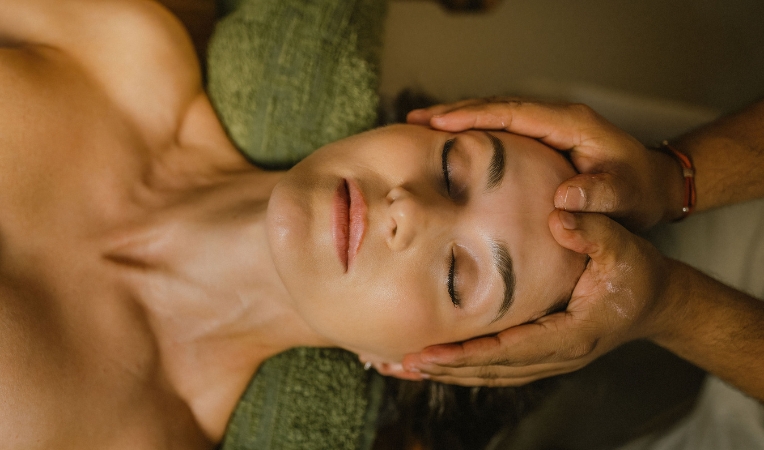
Purvakarma (Preparation): Before the main procedures, the body is prepared through Snehana (oleation with medicated ghee and oils) and Swedana (sudation/steam therapy). This loosens toxins from the tissues and moves them to the digestive tract.
Pradhanakarma (Main Treatment): The selected purification procedures are administered over the programme duration — typically 7 to 21 days at Sparsha Ayurveda.
Paschatkarma (Post-Treatment): A carefully designed diet and lifestyle protocol helps the body reintegrate. Herbal supplements may be prescribed to maintain results.
Who Should Consider Panchakarma?
Panchakarma benefits virtually everyone, but is especially recommended for those experiencing chronic fatigue, digestive issues, skin conditions, joint pain, stress, or anyone seeking a deep reset. At Sparsha Ayurveda, every Panchakarma programme begins with a thorough consultation to design a protocol tailored to your unique constitution and current health status.